

Addis Ababa is often treated as a place to pass through on the way to Lalibela or the Omo Valley, but the capital deserves at least two full days. Founded in 1886 by Emperor Menelik II and Empress Taytu, it sits at about 2,350 metres in the highlands, which keeps the weather mild all year. In two days you can see Lucy, look out over the city from Entoto, walk through one of Africa's biggest markets and eat very well. This is the plan we use with our own guests.
Before you start
- Take it easy on the first morning. Addis Ababa is high, so drink plenty of water and walk slowly up hills until you adjust.
- Plan your days by area. Traffic can be heavy, so it is better to group nearby sights than to cross the city several times.
- Check opening days. Museums and some sights close on certain holidays, and churches are busy with worshippers on Sunday mornings.
- Remember Ethiopian time. Locals count the hours from sunrise, so "2 o'clock" can mean 8:00 AM. When you agree a time, ask whether it is Ethiopian or international time.
Day 1: Views, history and churches
Morning: Entoto Mountain
Start early on Entoto, the ridge that rises above the north of the city. This is where Menelik II had his first capital before moving down to the plain, and the round Entoto Maryam Church, where he was crowned, still stands at the top. Today the mountain is also a large park with walking trails, cafés and the best views over Addis Ababa. Mornings are usually clearest.

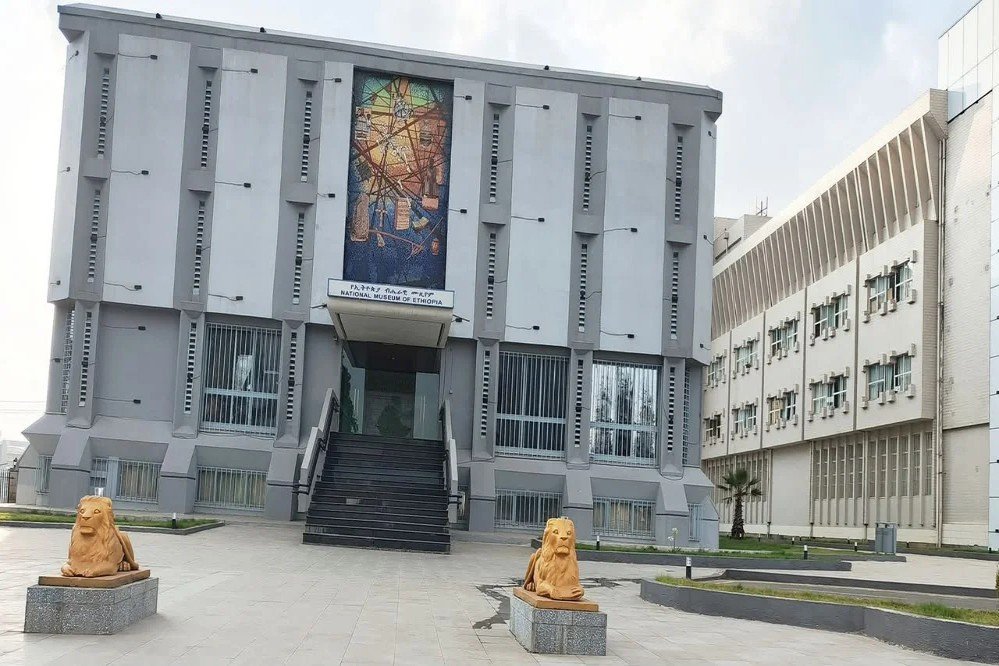
Late morning: National Museum of Ethiopia
Come back down to the National Museum, home of Lucy, known in Ethiopia as Dinkinesh. Her skeleton, about 3.2 million years old, was found in the Afar region in 1974 and changed what we know about human origins. The museum also has royal objects, traditional crafts and modern Ethiopian art, and an hour is enough for a good visit.
Lunch: your first Ethiopian meal
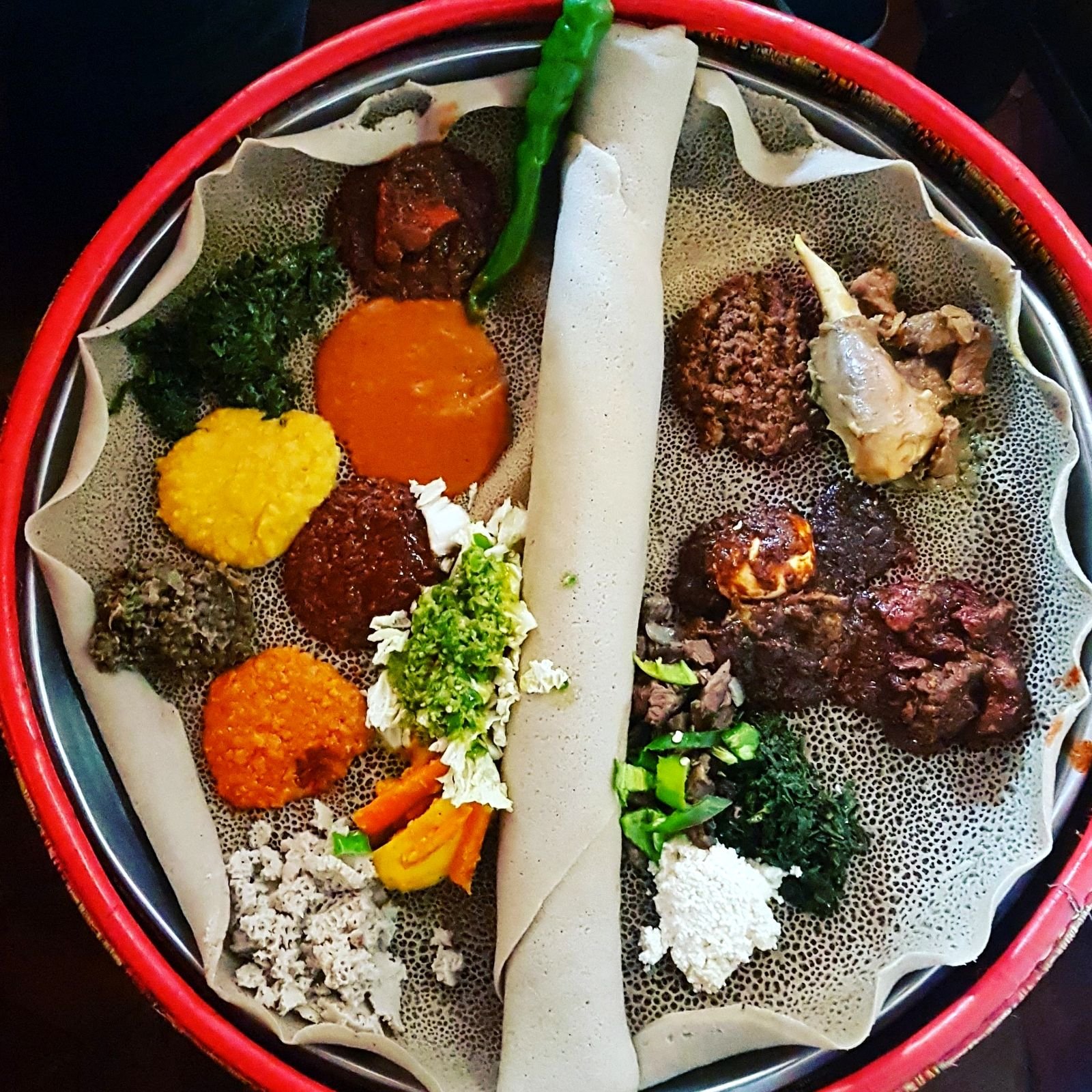
Order a shared platter on injera and try doro wat, shiro, tibs or a colourful beyaynetu of vegetable dishes. Our Ethiopian food guide explains what to order and how to eat it.
Afternoon: Holy Trinity Cathedral and a museum
Holy Trinity Cathedral is the most important Orthodox cathedral in the city, with stained glass, murals and the tombs of Emperor Haile Selassie and Empress Menen. Its grounds also hold the grave of the British campaigner Sylvia Pankhurst, a close friend of Ethiopia.

Then choose one more museum. The Red Terror Martyrs Memorial Museum tells the story of the Derg years in a simple and moving way. The Ethnological Museum, inside Haile Selassie's former palace at Addis Ababa University, shows the cultures of Ethiopia's many peoples.
Evening: music and dance
End the day at a cultural restaurant with traditional music and dancing from different regions of Ethiopia. It is a lively introduction to the country's variety, and most shows start in the early evening.
Day 2: Markets, coffee and food
Morning: Merkato or Shola Market
Merkato is one of the largest open-air markets in Africa, a maze of lanes selling spices, baskets, coffee, fabric and almost everything else. In one corner, craftsmen turn old tyres and tins into new tools and household goods. It is busy and fascinating, and best visited with a guide. Keep valuables out of sight. If you prefer something calmer, Shola Market is smaller and easy to walk around.

Midday: coffee, the Ethiopian way
Ethiopia is the birthplace of coffee, and no visit is complete without a coffee ceremony. Beans are roasted over charcoal in front of you, ground by hand and brewed in a clay jebena, usually served in three rounds with popcorn or kolo. In the old Piassa district, Tomoca has been roasting coffee since 1953 and is worth a quick stop. Read more about Ethiopian coffee culture.

Afternoon: Unity Park or St George's Cathedral
Unity Park, inside the old palace compound of Menelik II, opened to the public in 2019. You can see historic palace buildings, gardens and a small zoo with Ethiopia's famous black-maned lions. Closer to Piassa, St George's Cathedral was built to honour Ethiopia's victory at the Battle of Adwa in 1896 and has paintings by the artist Afewerk Tekle.
Evening: a food tour
Finish with an evening of food. On our Addis Ababa Food Tour we meet at 4:00 PM, walk between three local restaurants, share a coffee ceremony and taste the dishes locals love. It lasts about three hours and is a great way to end your stay.
Getting around
Traffic is the biggest challenge in Addis Ababa. Ride-hailing apps work in the city, but a private car and driver is the easiest way to link sights in different areas without stress. Walking is pleasant in Piassa, around Entoto Park and along the new riverside parks.
Where to stay
Bole is close to the airport, with many hotels, restaurants and cafés, and suits most first-time visitors. Kazanchis is central and convenient for business travellers. Piassa, the old town, has more history and character.
Only have one day or a layover?
If you are changing planes, our Addis Ababa layover guide explains how to leave the airport and what you can see in a few hours. With one free day, the Day 1 plan above covers the essentials.
Explore Addis Ababa with a local guide
Our private Full-Day Addis Ababa City Tour covers Entoto, a historic church, a museum, a local market, an Ethiopian lunch and a coffee ceremony, with hotel pickup at 9:30 AM. We can also build a two-day plan around your interests. Message us on WhatsApp and we will reply within 12 hours.