

Ethiopian food is one of the great reasons to visit the country. It is shared from one large platter, eaten with your hands and built around injera, a soft, slightly sour flatbread that is both your plate and your cutlery. Here are the dishes worth knowing before you arrive, and how to enjoy them like a local.
How Ethiopian meals work
Most meals arrive on a large round tray covered with injera, with stews and salads spooned on top. Everyone eats from the same platter. Tear off a piece of injera with your right hand, use it to pinch up some food, and eat. Extra rolls of injera are served on the side.
A few customs are worth knowing:
- Eat with your right hand.
- Stay on your side of the platter rather than reaching across.
- If someone feeds you a mouthful by hand, that is gursha, a gesture of friendship and respect. Accept it with a smile.
Injera
Injera is made from teff, a tiny grain grown in the Ethiopian highlands. The batter is left to ferment for a few days and then cooked on a large clay plate, which gives it its bubbly surface and gentle sourness. Teff is naturally gluten-free, though some restaurants mix in other flours, so ask if this matters to you.
Dishes to try
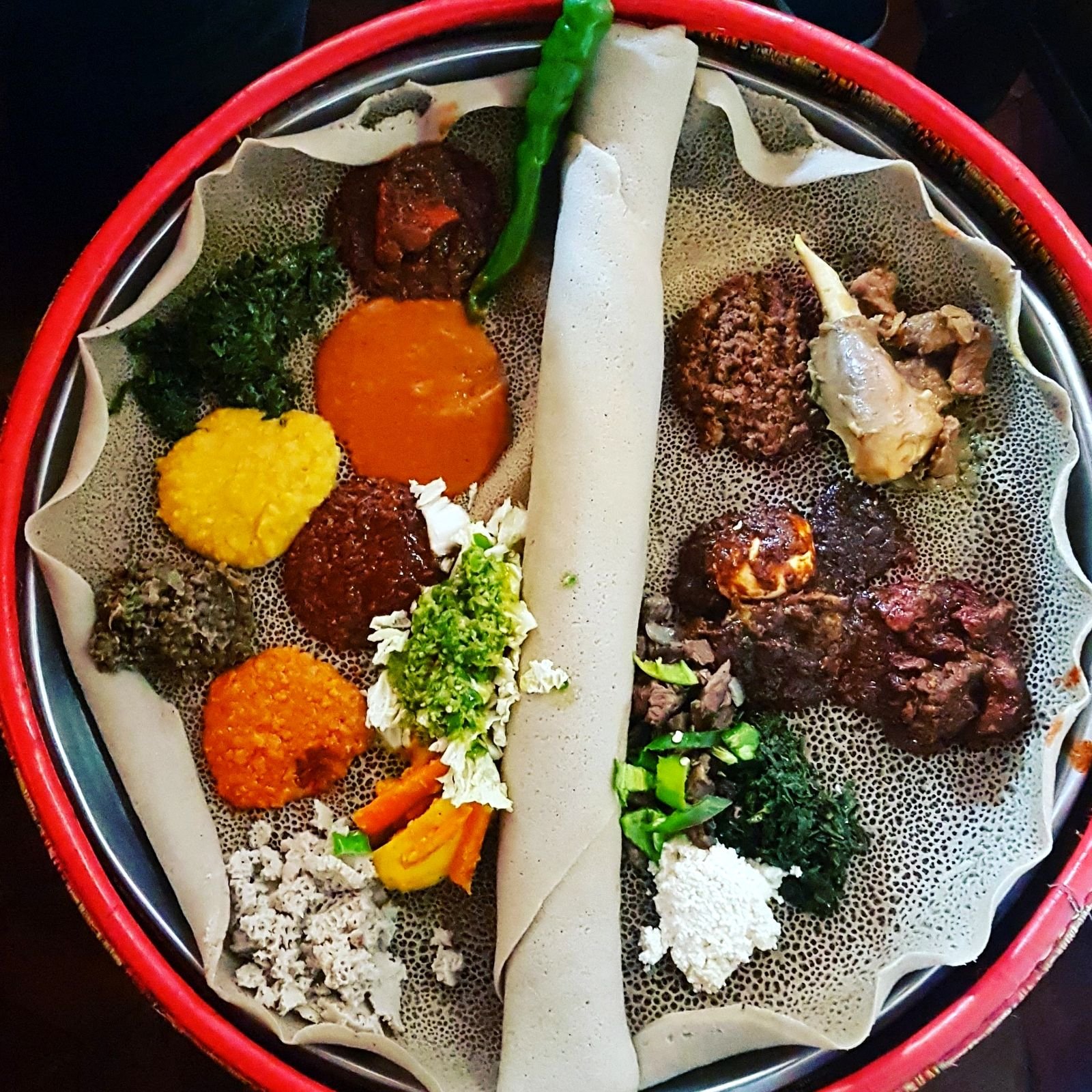
- Doro wat: a rich, spicy chicken stew slow-cooked with onions, berbere and spiced butter, usually served with a hard-boiled egg. It is the classic dish for holidays and family celebrations.
- Shiro: a smooth, comforting stew of ground chickpeas or broad beans with garlic and spices. It is cheap, filling and eaten all over the country.
- Misir wat: red lentils cooked with berbere. Deep in colour and flavour, and one of the best vegan dishes you will find anywhere.
- Tibs: pieces of beef or lamb sautéed with onion, chilli and rosemary. It often arrives sizzling in a small clay pot and is a favourite when friends get together.
- Kitfo: finely minced beef seasoned with spiced butter and mitmita chilli. Locals often eat it raw. You can ask for it lightly cooked (leb leb) or fully cooked (yebesele).
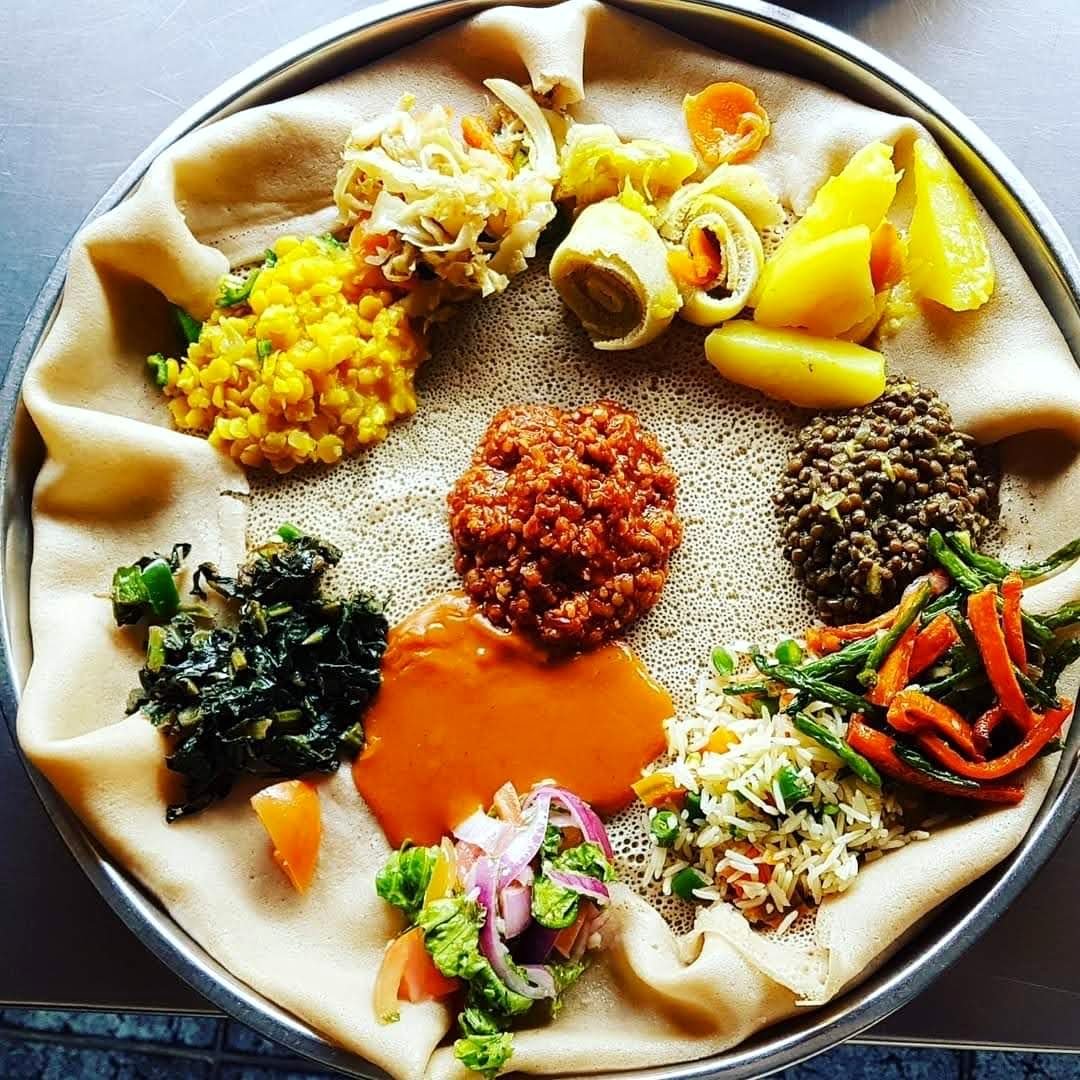
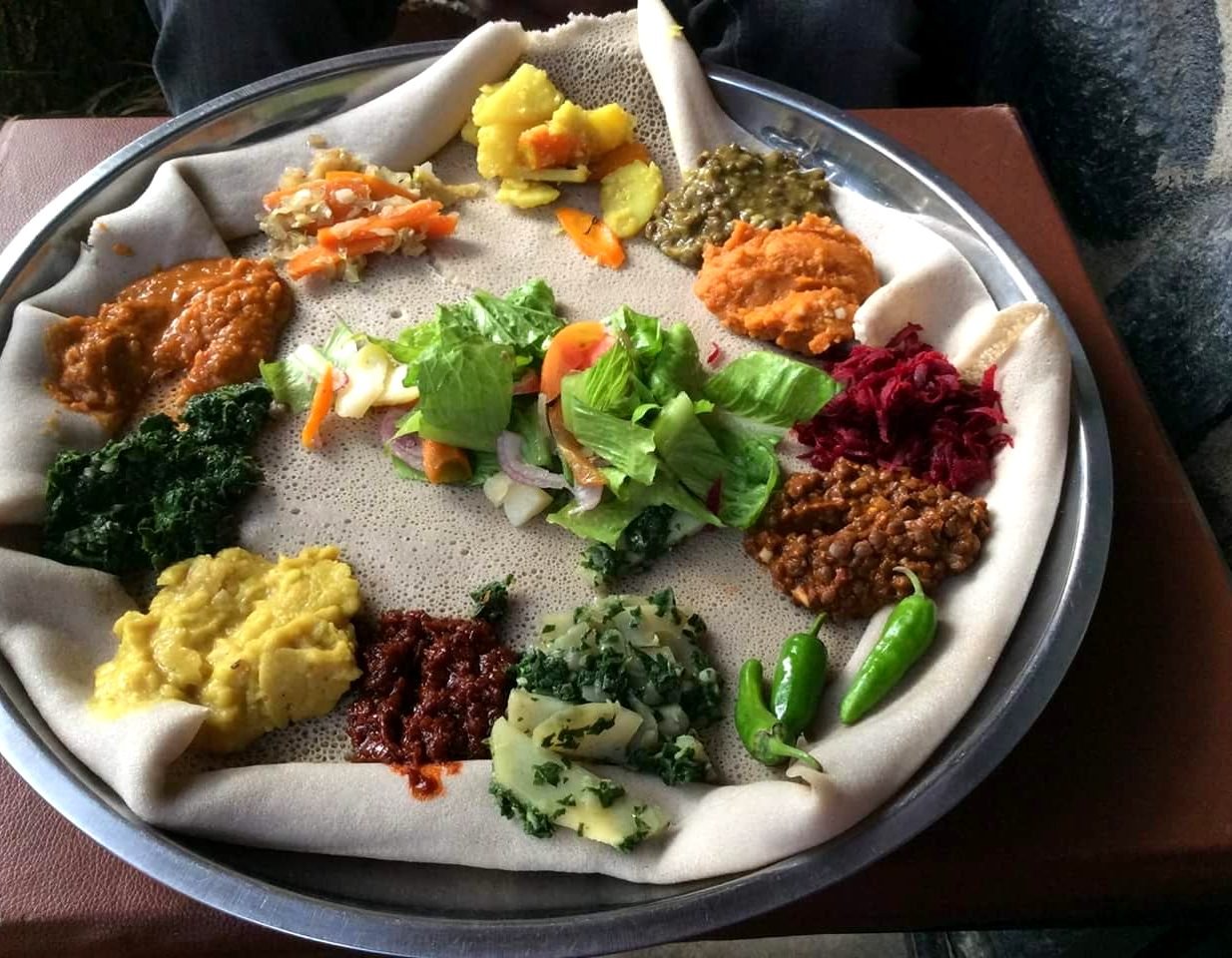
- Beyaynetu: a colourful assortment of vegetable dishes served together on injera. This is the easiest way to taste many things at once.
- Firfir: shredded injera mixed with sauce and spices. A popular breakfast.
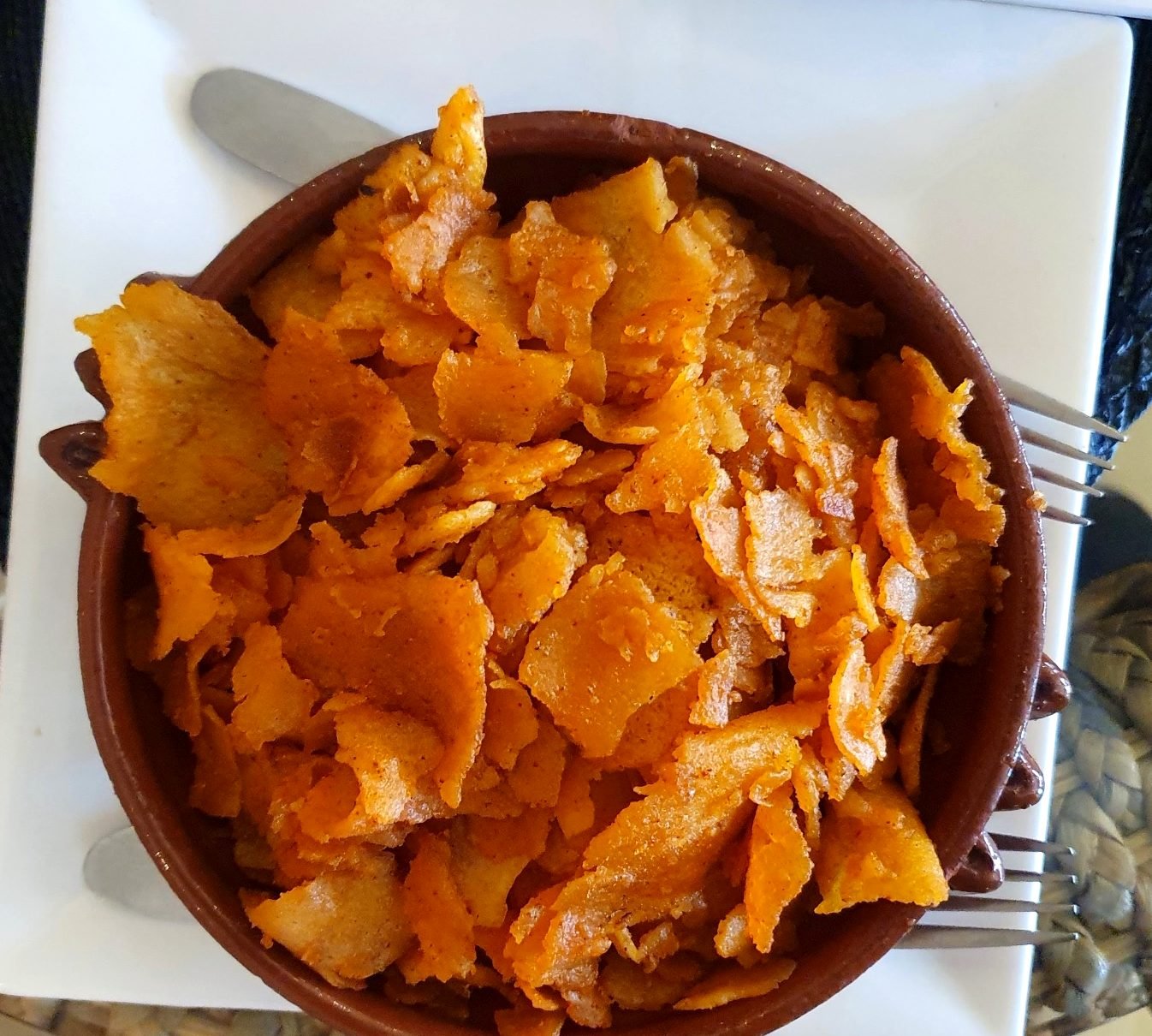
- Chechebsa: flatbread torn into pieces and fried with spiced butter and berbere, often served with honey and yoghurt. Another breakfast favourite.
- Shekla tibs: meat served sizzling in a clay pot with a little charcoal underneath to keep it hot.
- Dulet: a spicy mix of finely chopped tripe, liver and lean meat for adventurous eaters.
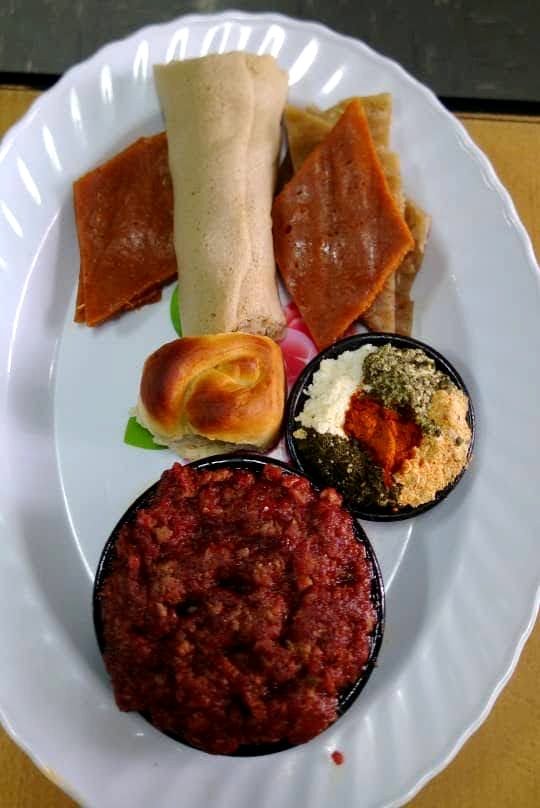

Breakfast favourites
Breakfast in Addis Ababa is hearty, and two dishes are worth getting up for.
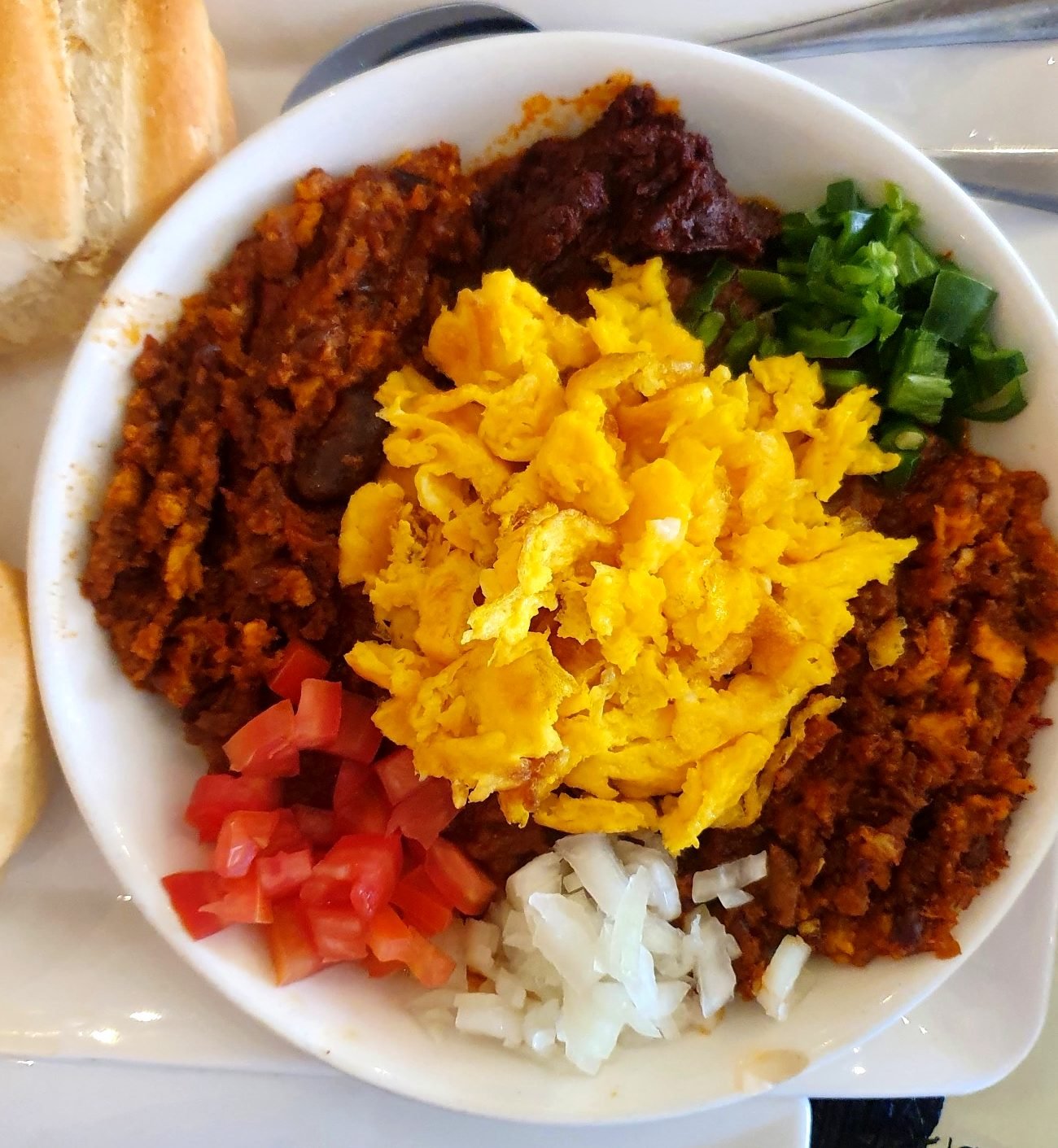
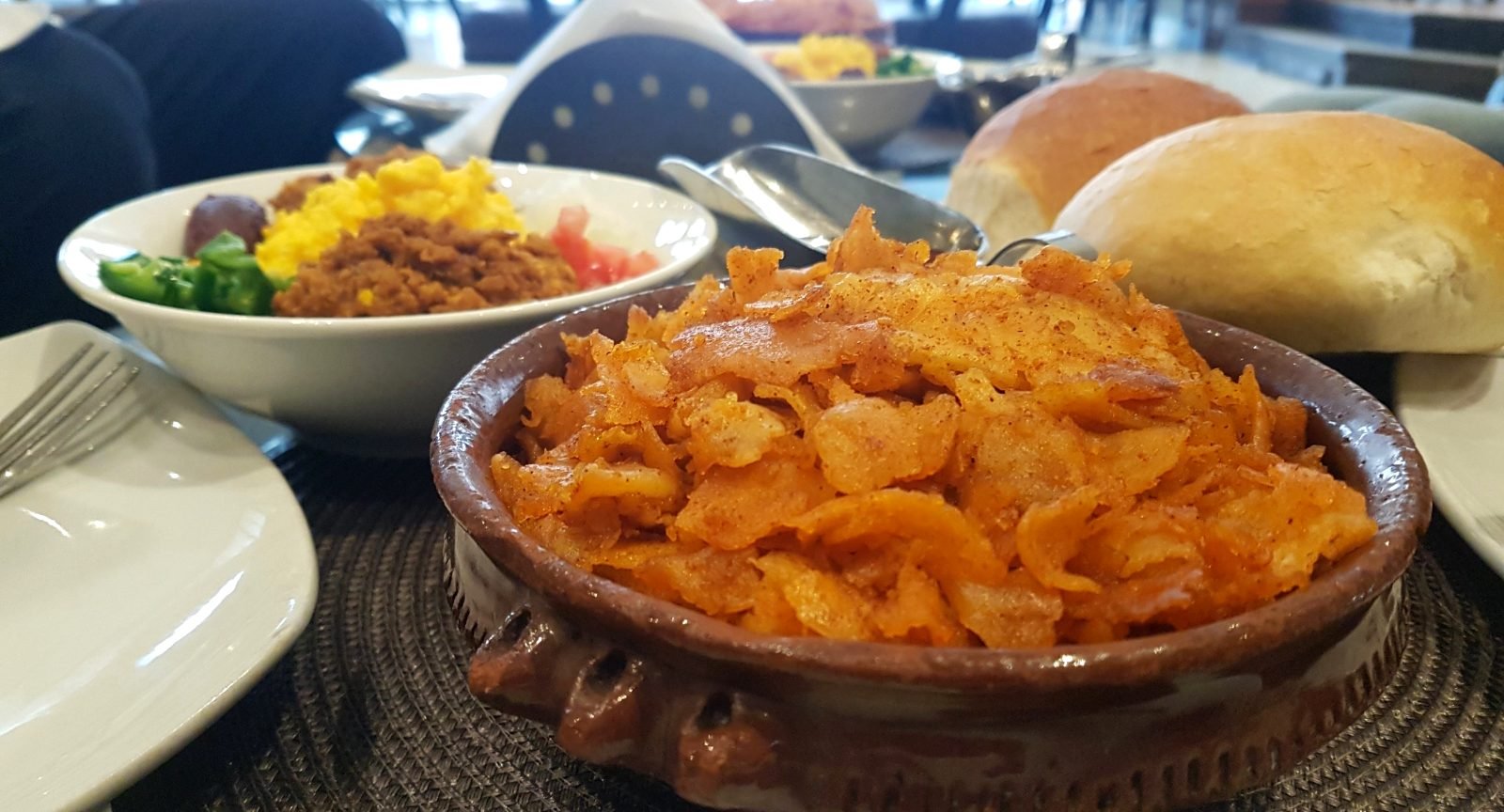
Ful is mashed fava beans cooked with oil, onion and spices. Order "special ful" and it arrives topped with scrambled egg, fresh tomato, onion and green chilli, with warm bread rolls to scoop it up.
Chechebsa, also called kita firfir, is flatbread torn into pieces and fried with spiced butter and berbere. It is crisp at the edges and soft in the middle, and is often served with honey to drizzle on top.
Fasting food: a paradise for vegans
Many Ethiopian Orthodox Christians fast on Wednesdays and Fridays and during longer fasting periods, such as the weeks before Easter. Fasting food contains no meat, dairy or eggs, so almost every restaurant serves a full vegan menu. Ask for "yetsom" food and you will get a generous platter of lentils, chickpeas, vegetables and greens.
The coffee ceremony
Ethiopia is the birthplace of coffee, and the coffee ceremony is at the heart of daily life. Green beans are washed, roasted over charcoal in front of you, ground by hand and brewed in a clay pot called a jebena. Incense fills the room, and coffee is usually served in three rounds with popcorn or kolo. Take your time: a full ceremony is about conversation as much as coffee.

Spice and heat
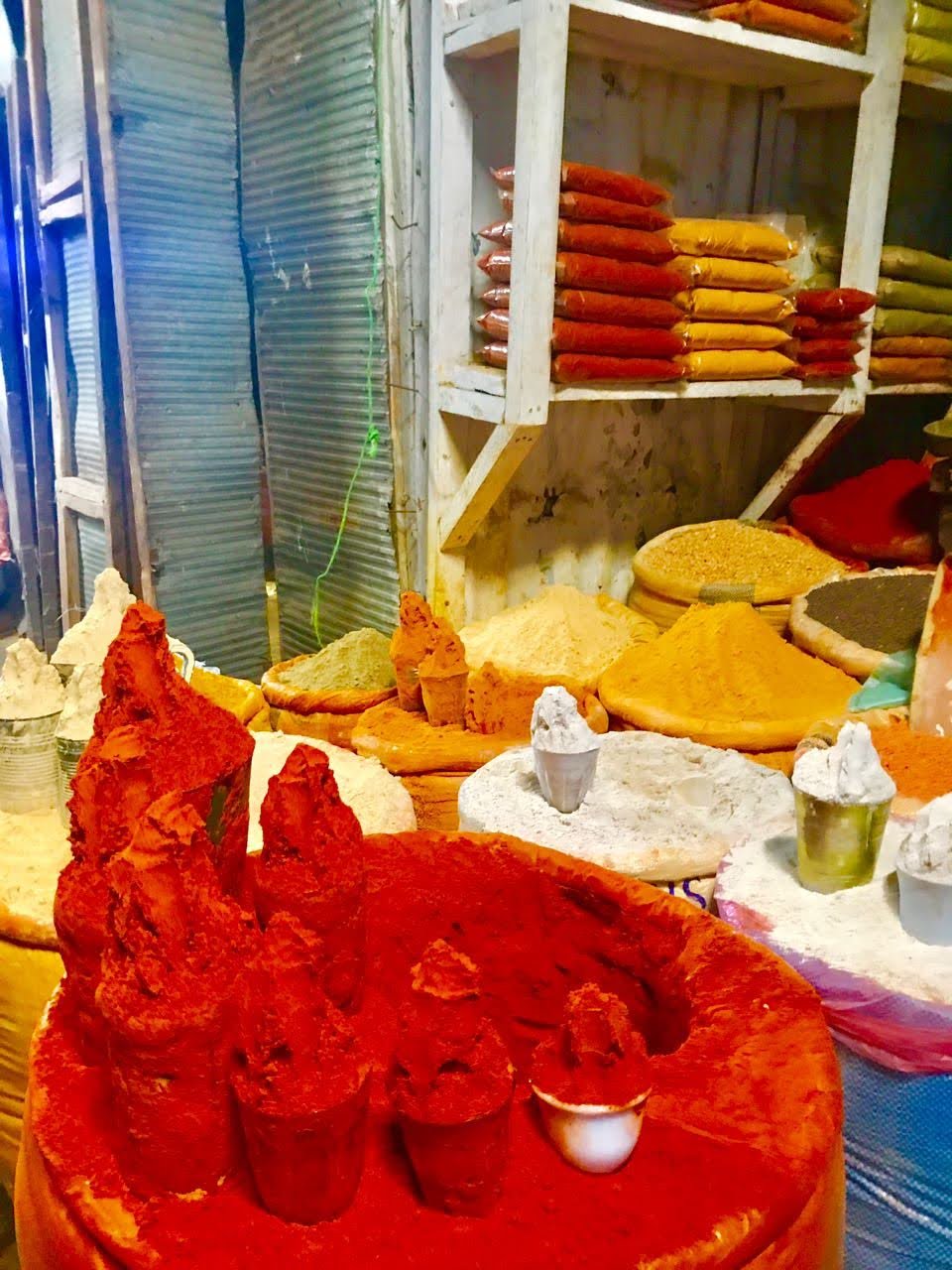
Two spice blends give Ethiopian food its character. Berbere is a deep red mix of chilli, garlic, ginger and many other spices. Mitmita is hotter and sharper. If you prefer milder food, ask for dishes like alicha (mild stews made with turmeric), shiro, gomen and ayib.
Taste it with a local
The easiest way to try many of these dishes in one evening is our Addis Ababa Food Tour. We meet at 4:00 PM, walk between three local restaurants, share a traditional coffee ceremony and taste the dishes locals love, with stories along the way. It lasts about three hours. You can see the details on the Addis Ababa Food Tour page, or message us on WhatsApp to book.