

"Is Ethiopia safe?" is the question we hear most often, and it deserves a straight answer rather than a sales pitch.
The honest answer is that it depends on where you go. Large parts of Ethiopia welcome visitors every day without problems, while some northern areas are affected by conflict. This guide explains the situation region by region, based on our own work on the ground and on current official advice. It was last updated on 24 October 2026, and we will keep it up to date as things change.
What our own trips have shown us
We are a local team based in Addis Ababa, and we guide private trips across the country, including many travellers from the United States and Europe. Our guests have visited Addis Ababa, Gondar, the Simien Mountains, Lalibela, the Danakil Depression, Harar and the Omo Valley with us without safety problems.
Earlier in 2026, travellers completed the historic northern route and the Danakil with us, and several wrote about their trips on Tripadvisor, including how safe and well looked after they felt.
Honest advice also means telling you what has changed since then.
What has changed since September 2026
In late September 2026, fighting resumed in the Tigray region and spread into parts of the neighbouring Afar and Amhara regions. By mid-October, the US Embassy reported that fighting in Tigray and Afar had decreased. Ethiopian Airlines resumed flights to Mekele on 11 October, while flights to Axum and Shire remain suspended.
Western governments still advise caution in the north:
- The United States and the United Kingdom advise against all travel to the Amhara and Tigray regions.
- For the Afar region, the United States advises against travel, especially to northern Afar.
- The United Kingdom advises against all travel within 20 km of the Eritrean border and within 50 km of the Tigray boundary, and against all but essential travel to the rest of Afar.
No fighting has been reported in southern Ethiopia, and daily life in Addis Ababa continues. That is why the region-by-region picture below matters.
Addis Ababa

Addis Ababa is where almost every trip begins. It is a busy, friendly capital with museums, markets, restaurants and a lively coffee culture, and day-to-day life carries on as usual.
The main risks are the ones you would expect in any large city:
- Pickpocketing and bag snatching, especially in crowded places such as Merkato and Meskel Square during festivals
- Phone snatching from people using their phones near the roadside
- Unofficial taxis, particularly at night
Use transport arranged by your hotel or by us, keep valuables out of sight in crowds and avoid demonstrations. As anywhere, stay away from military sites and do not photograph them.
The Omo Valley and southern Ethiopia

Southern Ethiopia has not been affected by the fighting in the north. Our 7-day Omo Valley journey travels from Arba Minch through Konso, Turmi and Jinka to meet communities such as the Dorze, Hamer, Dassanech, Karo and Mursi.
The main challenges here are practical rather than security-related: long drives on rough roads, heat at lower altitudes and heavy rain in the wet seasons, which can make some roads difficult. Travelling with an experienced local guide matters here for another reason too. Community visits work best when they are arranged respectfully, with agreed photography fees and an understanding of local customs.
Harar and Dire Dawa
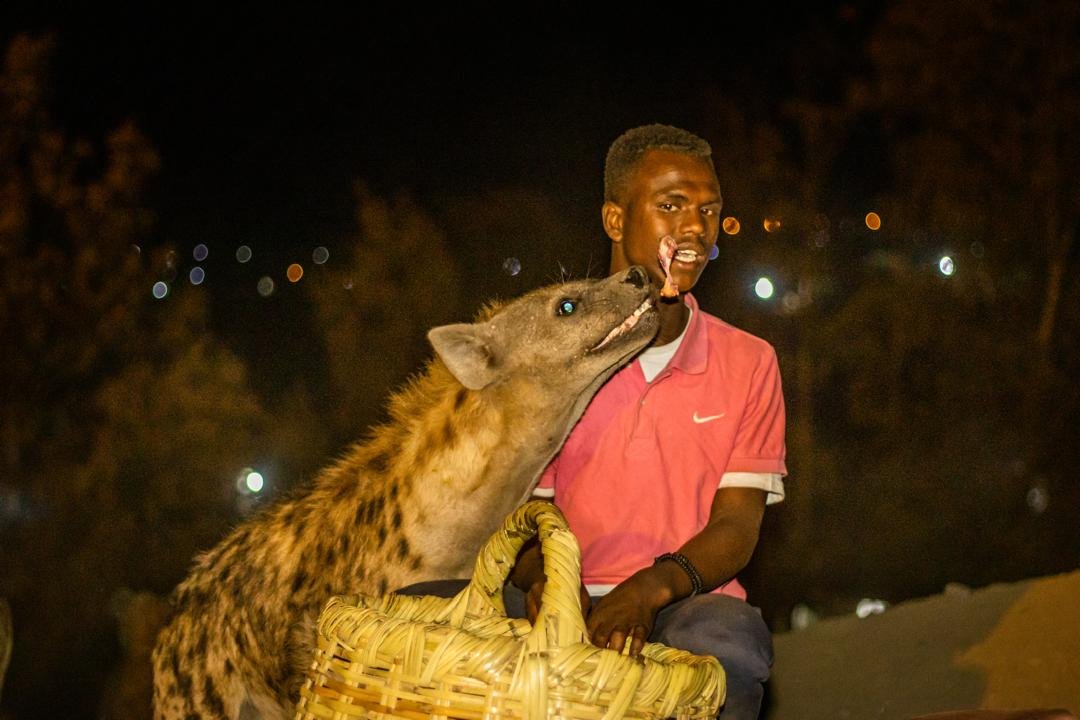
The walled city of Harar, in eastern Ethiopia, is one of the country's most atmospheric places, known for its narrow lanes, colourful markets and the evening hyena feeding. Our guests have visited Harar without problems. It is usually reached by a short flight from Addis Ababa to Dire Dawa, followed by a drive of about an hour. Current advice suggests taking extra care on the road east of Harar towards Jijiga, which most visitors do not need to use.
The Bale Mountains
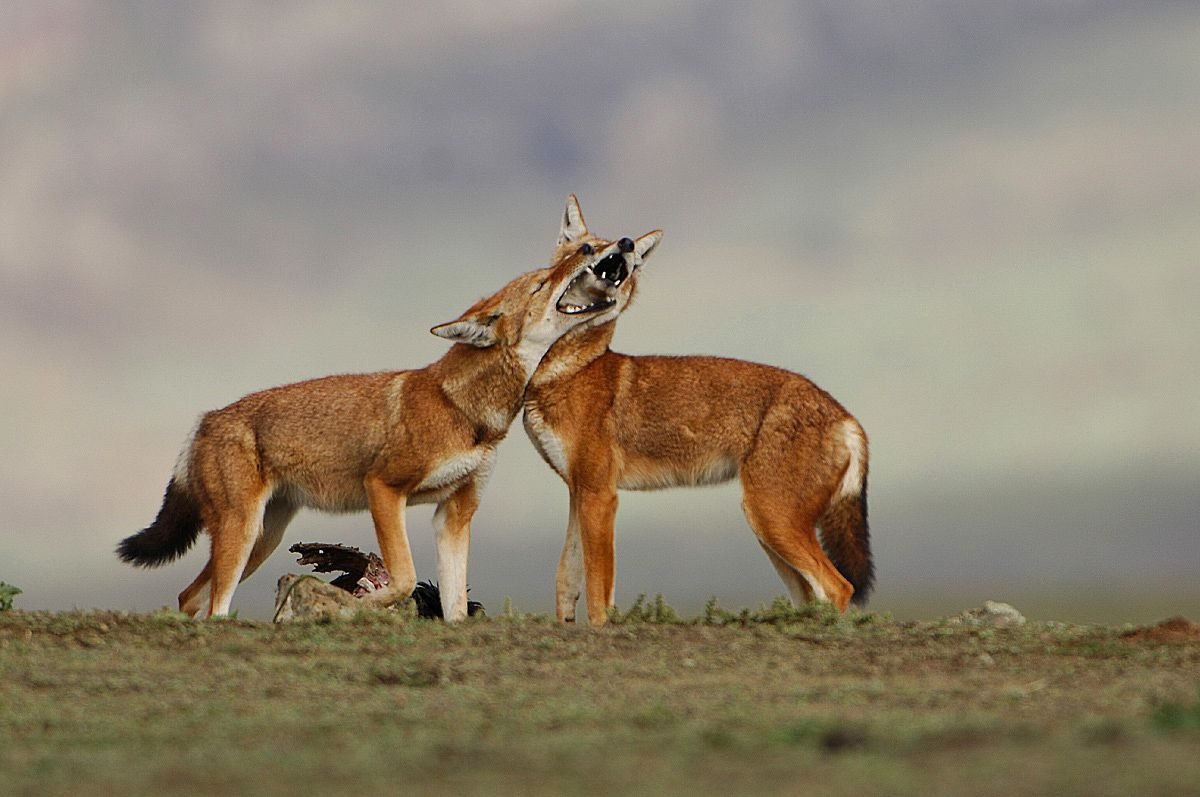
The Bale Mountains are home to Ethiopian wolves, mountain nyala and the vast Sanetti Plateau, one of the largest high-altitude plateaus in Africa. The park is not named in current government warnings, and recent reports from local operators describe the park itself as calm. Some roads south and east of the park are best avoided, so the usual approach is the main road from the Rift Valley side or a flight to Robe. We check the route with local contacts before every trip.
The historic north: Bahir Dar, Gondar, Lalibela and the Simien Mountains

The historic north is the heart of Ethiopia's story, from the island monasteries of Lake Tana and the castles of Gondar to the rock-hewn churches of Lalibela and the dramatic Simien Mountains.
The Amhara region, where these places are located, has seen periods of conflict since 2023. Visitors continued to travel there, mostly by air and with careful planning, and our clients' trips in early 2026 went smoothly. Since September 2026, the fighting in the wider north has reached parts of Amhara, and Western governments currently advise against all travel to the region.
We follow the situation daily through our guides and partners in each town. We only run northern routes when our local teams confirm it is safe to do so. If conditions do not allow it, we will suggest alternatives or help you plan for a later date. If you are considering the north in the coming months, please talk to us before booking any flights.
The Danakil Depression

The Danakil is one of the most extraordinary landscapes on Earth: the colourful mineral springs of Dallol, the salt flats of Lake Assale and the Erta Ale volcano. It lies in the Afar region, close to the borders with Eritrea and Tigray.
We are currently running Danakil expeditions, and our next group departs in November. We work with local Afar partners, check conditions along the route before and during every trip, and change or postpone the plan if the situation changes. Access rules for the region, including domestic flights to Semera, have changed several times since September, so we confirm the current arrangements before each departure.
Before booking, you should know that the US and UK advice described above covers parts of the usual Danakil route. This can affect your travel insurance, so please check that your policy covers the Danakil before you commit. If you have any doubts, ask us and we will tell you honestly what conditions are like.
Tigray
We are not running trips to the Tigray region at present, and Western governments advise against all travel there.
Practical safety tips for any trip to Ethiopia
- Check your travel insurance. Make sure your policy covers every place on your itinerary. Many policies do not cover areas where your government advises against travel.
- Read official advice before you go. Check your own government's current travel advice, for example from the US State Department or the UK Foreign Office, so you understand any restrictions and how they affect your insurance.
- Register with your embassy if your country offers a traveller registration service.
- Keep copies of your passport and visa, on paper and on your phone.
- Fly the long distances. Domestic flights with Ethiopian Airlines save long drives and are often the safest and most comfortable choice.
- Travel with a licensed local operator who knows current conditions on each route.
How we look after our travellers
Every trip we run is private. You travel with an experienced driver and local guides, and our team in Addis Ababa stays in touch with you throughout your journey. We check conditions on your route before you arrive and during your trip, and we change the plan if something changes on the ground.
Questions about your plans?
If you are wondering whether a particular route makes sense for your dates, send us a message on WhatsApp or through our Plan Your Trip page. We will give you an honest answer, even if that answer is "not right now".