Planning Your First Trip to Ethiopia: Essential Tips
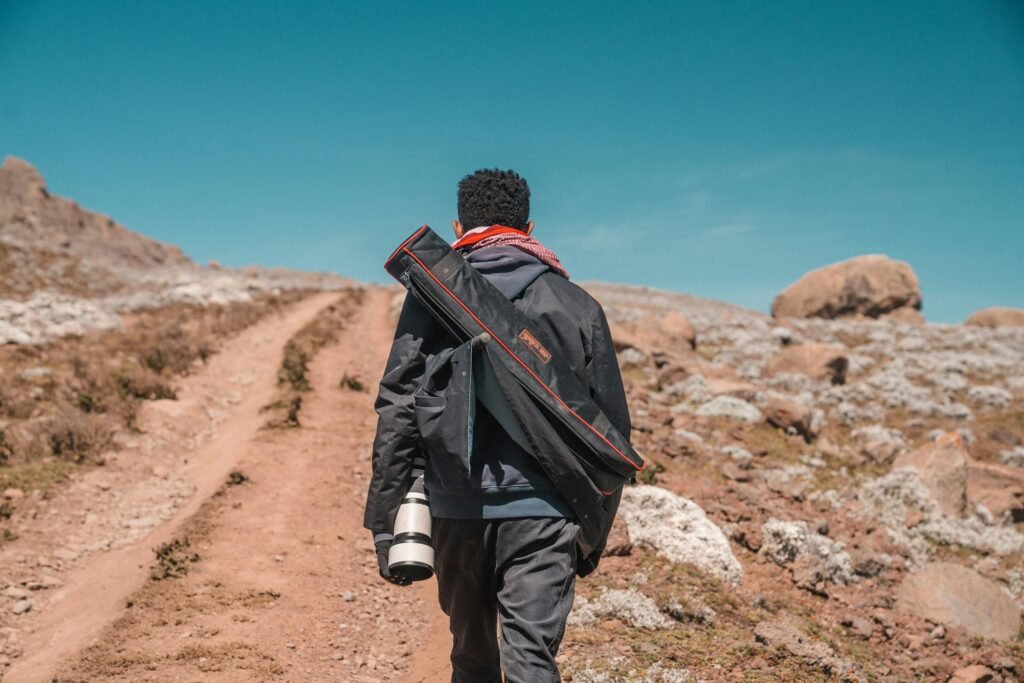
Everything first-time visitors need to know about traveling to Ethiopia, from visa requirements to cultural expectations.
Planning your first trip to Ethiopia can feel overwhelming, but with the right preparation, you’ll have an incredible experience in this fascinating country. Here are essential tips to help you prepare for your Ethiopian adventure.
Visa requirements vary by nationality, but most visitors can obtain an e-visa online before traveling or get a visa on arrival at Addis Ababa airport. The e-visa is more convenient and faster. Make sure your passport is valid for at least six months from your arrival date.
Pack layers for varying temperatures. Addis Ababa sits at over 2,400 meters (7,900 feet) above sea level, so evenings can be cool even when days are warm. Bring modest clothing for visiting religious sites — covered shoulders and knees are essential.
Ethiopia uses a 220V electrical system with Type C, E, F, and L plugs. Bring a universal adapter to charge your devices. Internet access is good in major cities but can be limited in rural areas.
The local currency is the Ethiopian Birr (ETB). While some hotels and tour operators accept US dollars, you’ll need birr for daily expenses. ATMs are available in Addis Ababa and major towns, but it’s wise to bring some cash for smaller establishments.
Tipping is appreciated but not mandatory. Ten to fifteen percent in restaurants is standard, and small tips for guides, drivers, and hotel staff are welcomed. Bargaining is expected in markets, but be respectful and fair.
Learn a few basic Amharic phrases — “Selam” (hello), “Ameseginalehu” (thank you), and “Dehna” (how are you?) will earn you smiles and show respect for local culture.
Food safety is important. Stick to bottled or boiled water, eat at busy restaurants with high turnover, and be cautious with raw vegetables unless you’re confident about food handling practices.
Ethiopians are incredibly welcoming and hospitable. Accept invitations for coffee or meals when possible — these experiences often become the highlights of trips. Be patient with “Ethiopian time” and embrace a more relaxed pace of life.
Book accommodations in advance, especially during peak season (October to May) and during major festivals like Timkat or Meskel.